

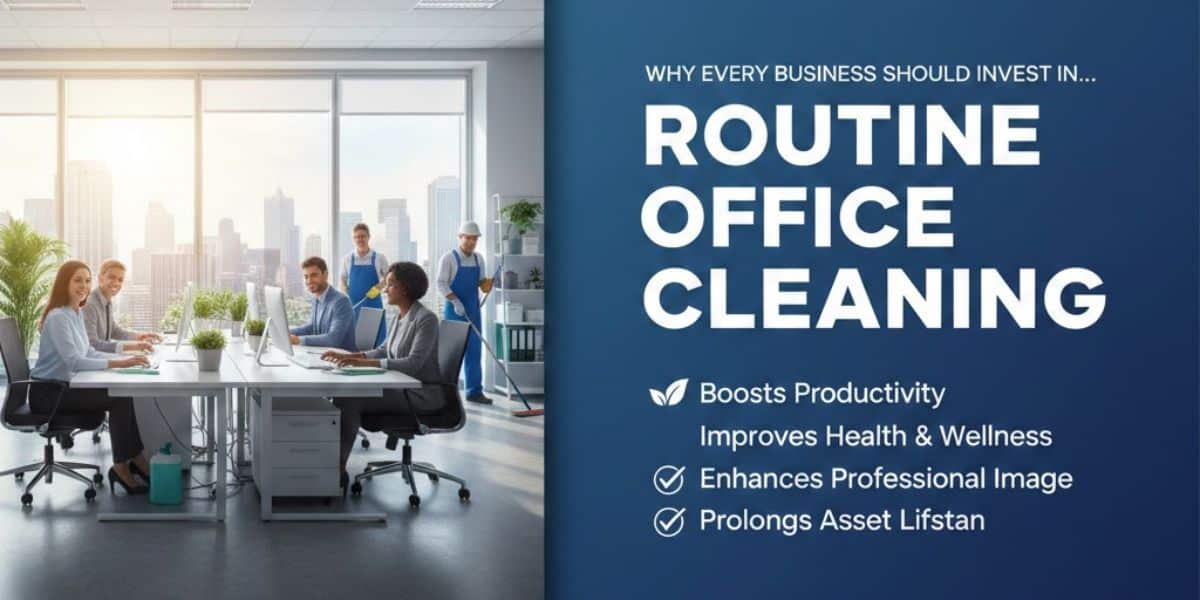
A clean workspace isn’t just about looking professional – it plays an important role in employee health, productivity, and your company’s long-term success. Whether you operate a small office or manage a large corporate space, routine office cleaning is one of the smartest investments your business can make. In today’s competitive marketplace, the cleanliness of your workspace directly influences company morale, brand reputation, and even profitability. Here’s why regular office cleaning services are essential and why delaying them could cost more than you think.
Why Every Business Should Invest In Routine Office Cleaning?
Maintaining a clean office is more than just a matter of aesthetics. For businesses of all sizes, investing in routine office cleaning is a crucial component of creating a productive, healthy, and professional work environment. From employee satisfaction to client impressions, cleanliness plays a pivotal role in the overall success of a company.
Promotes Employee Health and Well-Being
A clean office significantly reduces the spread of germs and illnesses. Workspaces are often breeding grounds for bacteria and viruses, especially high-touch surfaces like door handles, keyboards, phones, and breakroom areas. Routine cleaning minimizes the risk of employees getting sick, which in turn reduces absenteeism and keeps the business running smoothly. Healthy employees are more productive, focused, and motivated, which directly contributes to the company’s overall performance.
Enhances Productivity and Morale
A cluttered and dirty office can negatively impact employee morale. Studies show that a clean and organized workspace promotes better concentration, efficiency, and creativity. Routine cleaning not only ensures that employees have a comfortable environment but also communicates that the company values their well-being. This can boost overall job satisfaction and reduce turnover rates.

Creates a Positive First Impression
First impressions matter, especially when clients, partners, or investors visit your office. A spotless and well-maintained workspace conveys professionalism, reliability, and attention to detail. Conversely, a dirty or disorganized office can create a negative perception, potentially affecting business relationships and opportunities. Routine cleaning ensures that your office always presents the best image to visitors.
Protects Office Assets
Office equipment, furniture, and electronics represent a significant investment. Regular cleaning helps maintain these assets in optimal condition, prolonging their lifespan and reducing the need for costly repairs or replacements. Dust and debris can damage sensitive electronics, while spills or stains on furniture can lead to deterioration over time. Investing in routine cleaning safeguards these valuable resources.
Complies With Health and Safety Standards
Many businesses are subject to health and safety regulations that require a clean and sanitary working environment. Routine office cleaning ensures compliance with these standards, reducing the risk of fines, legal issues, or health code violations. Additionally, maintaining a clean office helps create a safe environment by minimizing hazards such as slippery floors, cluttered walkways, or fire risks.
Cost-Effective in the Long Run
Some businesses may view routine cleaning as an unnecessary expense, but it’s actually a cost-effective investment. Regular commercial cleaning prevents the buildup of dirt and grime, reducing the likelihood of permanent damage to surfaces and equipment. By addressing cleaning needs consistently, companies can avoid expensive deep-cleaning services or premature replacement of furniture and appliances.
Supports Sustainability Efforts
Routine cleaning, especially when using eco-friendly products, aligns with a company’s sustainability goals. Green cleaning practices reduce the use of harmful chemicals, lower environmental impact, and create a healthier workspace for employees. This not only benefits the environment but also enhances the company’s reputation as a socially responsible organization.
Reduces Stress and Mental Clutter
Cluttered and dirty environments can lead to increased stress levels and mental fatigue. A clean and organized workspace promotes clarity of thought and a sense of control over one’s surroundings. Routine cleaning minimizes distractions, allowing employees to focus better on their tasks and improving overall workplace efficiency.
FAQs About Routine Office Cleaning
Q1: How often should offices be cleaned?
The frequency of cleaning depends on the size of the office, the number of employees, and the nature of work. High-traffic areas such as kitchens, restrooms, and entryways may require daily cleaning, while general office spaces may benefit from weekly or bi-weekly maintenance. Many businesses opt for a combination of daily surface cleaning and periodic deep cleaning.
Q2: What are the benefits of hiring professional cleaning services?
Professional cleaning services bring expertise, specialized equipment, and consistent results. They ensure that all areas, including hard-to-reach spots, are thoroughly cleaned and sanitized. Outsourcing cleaning also frees up employees to focus on their work, saving time and increasing productivity.
Q3: Can routine cleaning improve employee morale?
Absolutely. Employees feel more valued in a clean, organized, and comfortable work environment. This boosts morale, reduces stress, and promotes better collaboration and overall job satisfaction.
Q4: Is routine cleaning expensive?
While there is a cost involved, routine cleaning is a long-term investment that can save money by preventing equipment damage, reducing sick days, and avoiding costly deep-cleaning services. The benefits in productivity, health, and client perception far outweigh the expenses.
Q5: What areas should routine cleaning cover?
Key areas include workstations, restrooms, kitchens, conference rooms, high-touch surfaces, floors, windows, and common areas. Additionally, periodic deep cleaning of carpets, upholstery, and electronics helps maintain hygiene and extend the life of office assets.
Q6: Can green cleaning products be used for routine office cleaning?
Yes. Many professional cleaning companies now offer eco-friendly cleaning solutions that are safe for employees and the environment. Green cleaning reduces chemical exposure, improves indoor air quality, and supports a company’s sustainability initiatives.
Q7: How does routine cleaning impact client impressions?
A clean office conveys professionalism, attention to detail, and reliability. Clients are more likely to trust a business that maintains a spotless environment, which can positively influence partnerships and sales opportunities.
Conclusion
Investing in routine office cleaning is more than a cosmetic decision—it is a strategic choice that impacts health, productivity, employee satisfaction, client perception, and overall business success. By maintaining a clean and organized workspace, companies can create a positive and professional environment that supports growth, efficiency, and long-term profitability. Routine cleaning is not just a chore; it’s an investment in your employees, your assets, and your brand reputation. Every business, regardless of size, benefits from prioritizing cleanliness as an essential part of its operations.