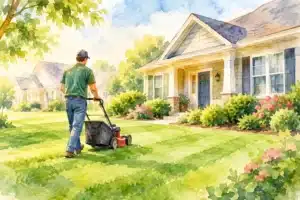


Auckland gardens do not stay still for long. A week of rain can send lawn growth racing, while a dry spell can leave new plants stressed and garden beds looking tired. Good garden maintenance is not about chasing a picture-perfect yard every weekend. It is about keeping the property healthy, safe and welcoming with regular work that suits its size, planting and use.
For busy households, landlords and commercial sites, the biggest challenge is usually consistency. A lawn left too long becomes harder to cut cleanly, hedges lose their shape, weeds seed into paths and garden beds, and green waste piles up quickly. A simple maintenance routine protects the effort already invested in your outdoor space and helps your property look cared for between bigger seasonal jobs.
What regular garden maintenance should cover
Every property needs a slightly different plan, but the core work is usually straightforward: mowing and edging lawns, weeding garden beds, trimming hedges and shrubs, clearing leaves, and removing green waste. On a rental property or managed site, it can also include keeping paths, entrances and shared outdoor areas clear and presentable.
The right frequency depends on growth, not a rigid calendar. In Auckland’s warmer, wetter months, lawns may need mowing every one to two weeks. During cooler periods, growth slows and a less frequent visit may be enough. Hedges can often be trimmed several times through the growing season, while weeding is best handled little and often before plants become established.
This regular approach is generally more cost-effective than waiting until the garden is overgrown. A maintained lawn takes less time to mow, a lightly shaped hedge is easier to manage, and young weeds are far simpler to remove than a thick patch that has spread through mulch or paving gaps.
Start with the lawn, but do not stop there
A freshly mown lawn makes an immediate difference to kerb appeal, particularly before a tenancy inspection, open home, gathering or commercial visit. Yet mowing alone will not keep the area looking finished. Clean edges along paths, driveways and garden borders create the crisp result people notice first.
Avoid cutting grass too short in an effort to make it last longer. Scalping can stress the lawn, expose soil and encourage weeds, especially through dry weather. It is better to remove a modest amount of growth regularly and adjust mowing height to the season and grass condition.
After mowing, clear clippings from hard surfaces and check that drains, footpaths and outdoor accessways remain free of debris. This matters on homes, unit complexes and business premises alike. Wet leaves and loose clippings can be slippery, while blocked drains can cause avoidable problems after heavy rain.
If the lawn is patchy, compacted or consistently waterlogged, it may need more than routine mowing. Aeration, soil improvement, drainage work or a change in watering habits can be more useful than simply cutting it more often. Regular maintenance should reveal these issues early, not hide them.
Keep hedges and shrubs under control
Hedges frame a property, provide privacy and soften fences, but they need thoughtful trimming. Letting them grow too large before cutting them back severely can leave bare patches and place stress on the plant. Smaller, regular trims usually keep a denser, healthier shape.
Check where the hedge sits before work begins. Plants near driveways should not block sightlines, and branches should be kept clear of paths, gates, letterboxes and building walls. For commercial properties, neat hedges around entries and car parks help create a professional first impression without becoming a safety issue.
Timing also matters. Some flowering shrubs should be pruned after they bloom, while others respond best to trimming at different points in the year. If you are unsure, aim for light shaping rather than aggressive removal. A tidy garden should still have healthy growth left to recover.
Weed before weeds take over
Weeds compete with lawn and garden plants for water and nutrients, but their impact goes beyond appearance. Once they seed, they spread into new beds, cracks in paving and neighbouring areas. Regular hand weeding or targeted treatment keeps the task manageable and reduces the need for harsher measures later.
Mulch is one of the easiest ways to make weeding less frequent. A suitable layer helps retain moisture, moderates soil temperature and makes garden beds look finished. It is not a complete solution, particularly in Auckland’s growing conditions, but it gives desirable plants a better chance and makes new weeds easier to spot.
Take care around young plants, edible gardens and areas used by children or pets. The best approach depends on the plants present and how the space is used. For many gardens, physical removal, mulch and regular checks are enough. For larger or persistent weed problems, professional advice can prevent damage to plants you want to keep.
Match the work to the season
A garden maintenance plan works best when it changes with the weather. Spring is often the time for stronger lawn growth, active weeds and fresh pruning needs. It is useful for clearing winter debris, feeding plants where appropriate and getting beds ready before the busiest growing period.
Summer brings faster growth alongside water pressure. Mow thoughtfully, water deeply where needed and keep an eye on newly planted trees and shrubs. Early morning watering is generally preferable, as less water is lost to heat and foliage has time to dry. Avoid overwatering established plants just because the lawn looks dry – different parts of the garden have different needs.
Autumn is ideal for leaf clearing, hedge shaping and preparing beds for wetter conditions. It is also a good time to inspect gutters, outdoor drains and low-lying garden areas before heavy rain becomes a problem. Winter maintenance is often lighter, but it is still valuable for removing storm debris, managing mossy hard surfaces and keeping accessways safe.
Do not let green waste become another job
Pruning, mowing and garden clean-ups create more green waste than most people expect. Leaving it in piles can make an otherwise tidy property look unfinished, attract pests and block access to bins or sheds. It also turns a manageable weekend job into a larger clean-up later.
Composting can work well for suitable leaves, grass clippings and soft plant material if you have room and will use the compost. However, diseased plant matter, invasive weeds and large woody branches may need a different disposal option. There is no benefit in saving everything if it creates a messy corner of the yard that never gets dealt with.
For landlords, body corporates and business sites, planned green-waste removal is especially useful. It keeps common areas clear and means staff or tenants are not left managing piles after routine gardening work.
When professional garden help makes sense
DIY maintenance is realistic for some small gardens, particularly if the work is done consistently. The trade-off is time, equipment storage and the physical effort involved. Larger sections, steep ground, tall hedges, overgrown gardens and rental turnarounds can quickly become jobs that need a capable team.
Professional support is also helpful when you want one dependable provider for outdoor presentation and wider property care. Sparkle Property Services can tailor lawn mowing, gardening, hedge trimming and green-waste removal around the needs of homes, rentals and commercial properties across Auckland. That can be particularly practical before an inspection, after a tenancy, following building work or when regular upkeep has fallen behind.
Before booking, be clear about the result you need. Is the priority an ongoing tidy garden, a one-off overgrowth clean-up, safer access around the property, or a polished outdoor area for tenants and visitors? Photos, property access details and a note of any plants to protect will help set the right scope from the start.
A garden that stays ready to enjoy
The best-maintained gardens are not necessarily the most elaborate. They are the ones where lawns are manageable, paths are clear, plants have room to grow and outdoor areas feel inviting rather than like another item on the to-do list. A regular schedule, adjusted for the season and your property’s needs, keeps that result within reach.