
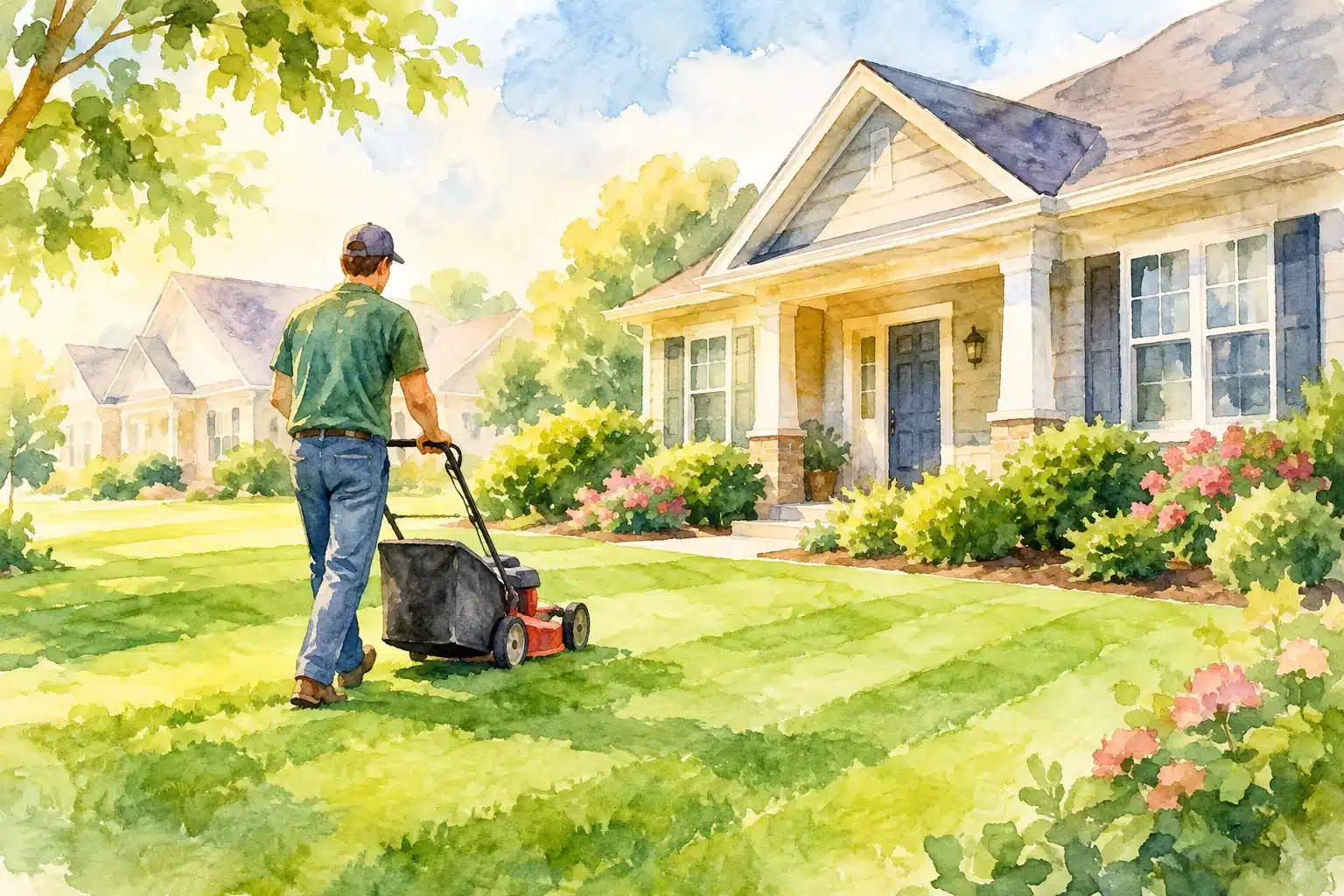
A lawn can look untidy long before a tenant moves out, an inspection is booked, or a prospective renter arrives. That is why lawn mowing for rental properties is not simply a cosmetic task. It is a practical part of protecting kerb appeal, preventing gardens from becoming unmanageable, and keeping expectations clear between landlords, tenants and property managers.
For Auckland rentals, grass growth can change quickly with warm temperatures and regular rain. Leave it too long and a straightforward mow can turn into a larger job involving edging, green-waste removal, weed control and garden tidy-up. A regular plan keeps the property looking cared for without creating unnecessary cost or stress.
Why lawn care matters at a rental property
The exterior creates the first impression of a home. For a tenant, a tidy lawn makes the property more pleasant to come home to. For a landlord or property manager, it supports a well-presented rental, helps attract quality applicants and shows that the property is being maintained properly.
Regular mowing also makes routine inspections easier. When lawns, paths and garden edges are visible, it is simpler to spot overgrown weeds, drainage issues, damaged fencing, rubbish, pest activity or branches that need attention. Small maintenance problems are far easier to manage before they affect the condition, safety or value of the property.
There is a practical health and safety benefit too. Long grass can hide uneven ground, encourage insects and make outdoor areas harder to use. Keeping lawns at a sensible height improves access around the home and creates a cleaner, more inviting space for families, visitors and tradies.
Who is responsible for mowing the lawn?
Responsibility for lawn mowing depends on the tenancy agreement and the condition of the property at the start of the tenancy. In many standard rental arrangements, tenants are expected to keep lawns and gardens reasonably tidy as part of everyday care. Landlords are generally responsible for larger maintenance work, such as repairing fences, dealing with unsafe trees, fixing drainage, replacing damaged garden structures or addressing issues that cannot reasonably be managed through routine upkeep.
The key word is clarity. A vague agreement can cause frustration when the grass grows faster than expected or a garden requires more work than a tenant anticipated. Before a tenancy begins, it helps to document the lawn and garden condition in the entry inspection report and set out what regular care involves. That may include mowing, edging, weeding garden beds, removing fallen leaves and putting green waste out correctly.
Some landlords choose to include lawn care in the tenancy, particularly for larger sections, multi-unit properties, homes with complex landscaping, Airbnb accommodation or rentals where consistent presentation is a priority. This adds a predictable maintenance cost, but it also gives the owner and property manager greater confidence that the grounds will be looked after on schedule.
How often should rental lawns be mowed?
There is no single mowing schedule that works for every property. Grass type, shade, rainfall, soil condition and how the lawn is used all make a difference. In Auckland, many lawns need mowing around every two to three weeks during the active growing months. In cooler or drier periods, the interval may stretch to every three to five weeks.
The better guide is lawn height rather than the calendar alone. Avoid cutting more than about one-third of the grass blade at once. Cutting a very long lawn down too hard can stress the grass, leave thin patches and create piles of clippings that smother the surface. A regular, moderate cut usually produces a healthier and neater result.
For vacant properties, mowing should not stop just because no one is living there. An empty home with knee-high grass can appear neglected and may invite complaints from neighbours or body corporate managers. Scheduling exterior maintenance between tenancies keeps the property ready for viewings and prevents a rushed clean-up before new tenants move in.
Match the schedule to the property
A compact unit with a small front lawn may only need a quick mow and edge every few weeks. A family home with a rear garden, mature hedges and several garden beds may need more frequent attention during spring and summer. Properties near bush, large trees or exposed coastal areas can also require seasonal leaf clearing and branch removal alongside lawn care.
For shared rentals, strata properties and commercial sites, reliability matters as much as mowing quality. A set day or regular service window reduces disruption for residents, staff and visitors while keeping common outdoor areas presentable.
What a proper mowing visit should include
A lawn service should leave the outdoor area looking complete, not just shorten the grass. The exact scope can be tailored to the property, but a well-maintained rental often benefits from mowing, line trimming around fences and garden borders, edging along footpaths and driveways, blowing or sweeping clippings from hard surfaces, and removing green waste where needed.
This detail matters at inspection time. Freshly cut grass with untidy edges, clippings across the driveway and weeds growing through the path still gives the impression of an unfinished job. On the other hand, clean edges and clear outdoor surfaces create an immediate sense of care.
Green-waste handling should be agreed in advance. Leaving a small amount of fine clippings on a healthy lawn can be appropriate, as they break down naturally. Heavy clumps, fallen branches, hedge trimmings and excess garden material should be removed or placed in the property’s approved green-waste collection. At properties without suitable collection, removal avoids overflowing bins and keeps outdoor areas usable.
Lawn mowing for rental properties between tenancies
The period between tenants is the best time to reset the exterior. Alongside an end-of-tenancy clean, outdoor work can reveal maintenance needs that were less obvious while the property was occupied. A lawn and garden check helps present the home properly for photography, open homes and incoming tenants.
Start with a full mow, edge and tidy, then look beyond the grass. Check whether weeds are taking over garden beds, gutters are overflowing onto paths, hedges are blocking windows, or rubbish has collected behind sheds and along fence lines. If the outdoor area has been neglected, it may be more cost-effective to book a one-off restoration first, followed by a manageable regular schedule.
This is also a good time to assess whether the garden is realistic for the type of tenancy you want to attract. A beautiful but high-maintenance garden can be a selling point for the right household, but it may not suit every rental. Simplifying beds, repairing borders or arranging professional maintenance can help preserve the property without placing unreasonable demands on tenants.
A simple plan for landlords and property managers
A dependable lawn-care arrangement starts before the grass gets long. Use this practical checklist when setting up a rental property maintenance plan:
- Record the lawn, garden beds, trees, paths and outdoor structures in the entry condition report.
- Confirm in writing who handles routine mowing, edging, weeding and green-waste disposal.
- Set a seasonal mowing frequency and allow for changes during wet, fast-growing periods.
- Arrange a professional tidy-up before marketing a vacant property or completing an exit inspection.
- Combine lawn care with hedge trimming, rubbish removal, gutter cleaning or exterior washing when the property needs broader attention.
Combining tasks can save time and reduce the hassle of coordinating separate contractors. Sparkle Property Services can tailor exterior upkeep around regular cleaning and property maintenance needs, helping Auckland landlords and managers keep every part of a property looking cared for.
When professional lawn care is the better option
Tenant-led mowing works well when the lawn is small, equipment is accessible and expectations are clear. It is not always the best fit. A professional service can be worthwhile when a tenant lacks a mower, the section is steep, the property has multiple units, the garden is complex, or the landlord needs a consistent standard across several homes.
It can also remove awkward conversations. Rather than debating whether grass is slightly too long before an inspection, a scheduled service creates a visible maintenance record and a predictable result. For busy landlords, property managers and Airbnb hosts, that reliability is often worth more than the lowest possible mowing cost.
A rental property does not need elaborate landscaping to feel well looked after. Clean edges, manageable lawns and clear paths tell tenants, neighbours and future applicants that the home is cared for. Put a simple mowing plan in place early, and the garden stays one less thing to chase when life gets busy.