
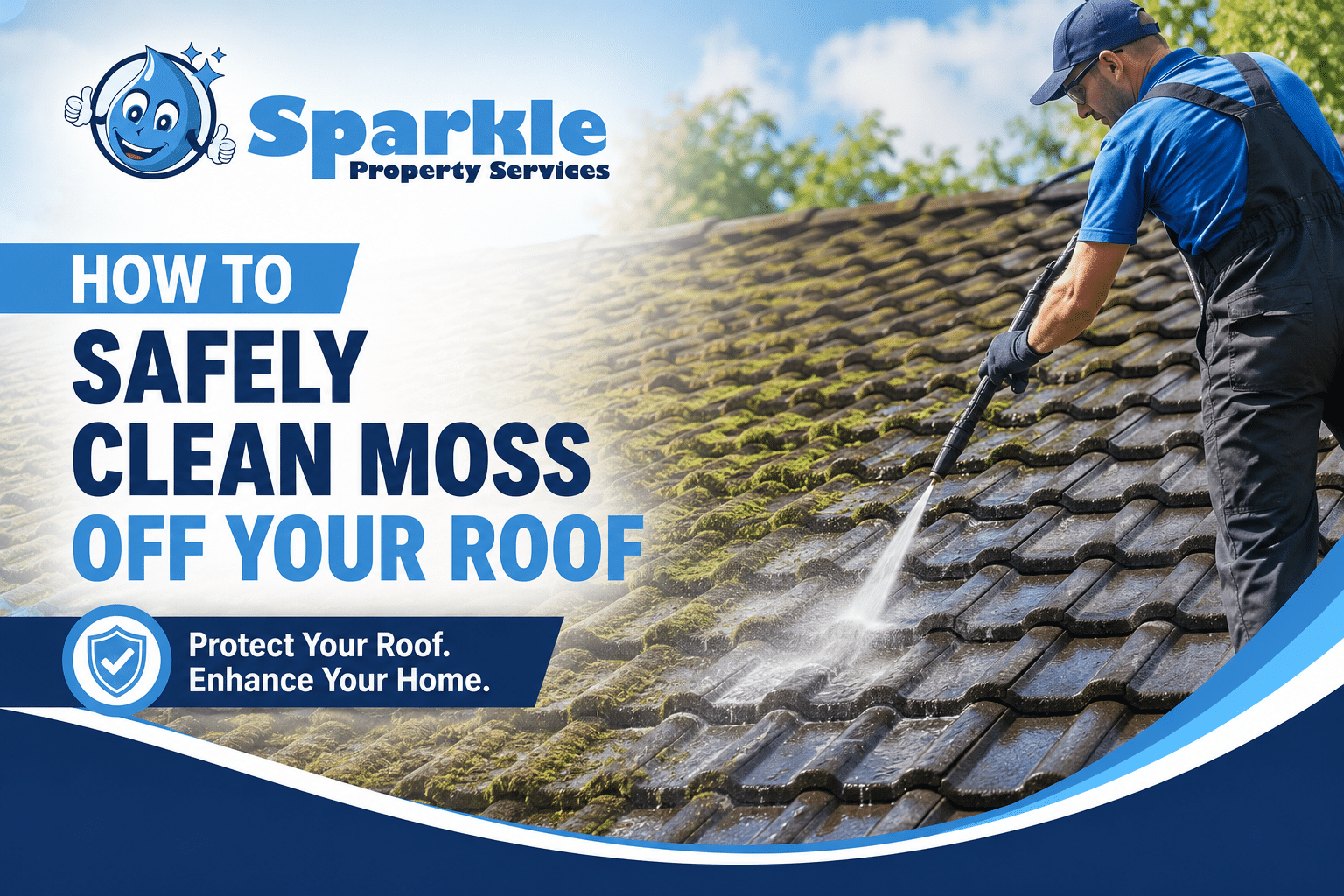
Get rid of roof moss to protect your roof and improve its appearance. There are few things as unsightly on a home as a blanket of fluffy green moss sprawled across the roof. It’s more than just an unpleasant shade of green on your roof. A roof covered in moss can indicate that the roof is frequently kept damp or is unable to dry out properly. In the long-run, the moss can start to spread over all the tiles, hold damp in its strands, interfere with drainage, and make your home appear poorly cared for.
As Auckland is such a damp place to live, getting rid of roof moss should only be one task you don’t ignore when it comes to maintaining your roof. Unfortunately, roof moss removal is not as simple as it looks, taking the wrong tools to the job can end up causing expensive damage, or worse, an accident. The correct procedure involves analysing the roof in question, choosing the best type of cleaning agent, removing the moss in the correct way, and clearing the nearby gutters and surrounds. Sparkle For You provides an effective roof cleaning service for homeowners throughout Auckland, including removing roof moss. Get your roof sparkling clean with our help. We offer other services like Residential Cleaning Auckland, Home Cleaning, Commercial Cleaning Auckland, Property Maintenance Auckland, Lawn Mowing Auckland, Vehicle Grooming Auckland.
How to Clean Moss Off Your Roof Safely and Effectively
It’s not as simple as scrubbing a surface or using a power washer when you’re removing moss from a roof. There are safe methods to do this carefully, and make sure you should pick the right method for your roof.
- Inspect the Roof First
Before you clean your roof, look at it carefully. See how much moss has grown, if there are any broken tiles, cracked tiles, or loose sections, or areas where there need to be repairs. If your roof is particularly steep or brittle, or just hard to access, then cleaning it yourself is probably not the best idea.
- Scrape Off Any Loose Moss
In any accessible areas on the roof, carefully get rid of the large chunks of moss with the correct soft brush or tool and remove them from the roof.
- Treat with Moss Removers
A roof-safe moss removal treatment can also be applied, which works by killing the remaining growth. This should stop it from coming back to your roof as quickly.
- Rinse Off (without the pressure)
Rinsing your roof will allow the remainder of the organic matter to come away. Be very careful not to blast away with too much pressure, as a power washer could damage your roof tiles and force water beneath the surfaces.
- Clean Your Gutters and Downpipes
When you have been cleaning moss from your roof, you will more likely find that bits of debris have also been washed into your gutters or downpipes.
- Check The Roof
After your roof cleaning, take another good look to make sure that you’ve cleaned all of the growth and that none of the roofing materials are damaged. Regular checks will help find moss growth quickly, before it becomes too extensive.
What is the Safest Way to Remove Moss From a Roof?
You can safely remove a variety of roofs by undertaking a blend of moss removal treatments and gentle scrubbing, as well as avoiding activities that could be harmful to your roofscape. As your mossed-over, damp roofscape would be incredibly treacherous, make safety your top priority during any DIY roof cleaning mission.
Survey your property first: Make note of loose or broken tiles, chipped pieces, and areas of heavy infestation.
Sweep the surface thoroughly: Begin by clearing away loose growth gently with appropriate roof cleaning equipment and a soft brush.
Follow up with a roof moss removal agent: Then make use of a roof moss treatment effective on your roof material, which is designed to soften and dissolve stray fragments of growth.
Don’t opt for pressure washing: Power washing can have devastating effects on tile and coatings, and the flashing elements along your ridge and around your skylights.
Secure yourself with gear: Wear safety glasses and anti-slip soles, have a firmly anchored ladder, and if working up high, an actual safety harness.
What Should You Avoid When Cleaning Roof Moss?
Cleaning your roof moss the wrong way might be more damaging than the moss itself. Rough cleaning techniques can ruin roof tiles, roofing coating, gutters, or plants near the roof. Here’s what not to do:
Don’t wash with high pressure: Powerful jets of water can break or displace tiles and push water down under the roof.
Avoid using harsh chemicals: Cleaning chemicals can degrade roof tiles, plants around them, drain pipes, and painted walls.
No scraping with too much force:You might scratch, break, or wear out roof tiles and protective coating.
Avoid walking on the roof unless necessary: Damp moss makes it extremely slippery, so watch out for falling and damaged roof elements.
Ignoring the damage can be risky : If some tiles are broken or loose, they might get worse after washing over them.
Don’t block gutters and drain pipes: Moss and leaves will wash off your roof into your drainage system and can block pipes.
How Often Should You Remove Moss From Your Roof?
There’s no universal answer to how often you should remove moss from your roof; the frequency is dependent on your roof material, surrounding environment, shaded areas, moisture levels, and the amount of moss growing there.
In Auckland, the humid and wet weather can make timely roof inspections and maintenance particularly valuable, as it encourages the moss to reappear more quickly. For many homes, a professional roof inspection and clean every 1-2 years is adequate to manage the proliferation of moss and other organic growth. Houses that are in direct shade or are heavily shaded by trees will benefit from more regular roof moss cleaning.
Roof Moss Removal Frequency Factors:
Climate – Areas with heavy rainfall and humidity will contribute to faster moss growth.
Shade – Trees, nearby buildings, and structures can help keep your roof moist for longer periods of the day.
Overhanging trees – Falling debris such as leaves and twigs contribute to the growth of moss.
Roof material – Some roofing materials are more susceptible to moss growth than others.
Existing moss – If your roof has significant established moss growth, it may require more frequent attention.
Roof drainage – Inadequate gutter and drainage systems can lead to excessive moisture around your roof.
Frequently Asked Questions (FAQs)
- What is the best way to remove moss from the roof?
The gentlest way is to loosen some of the debris and to apply a moss remover that specifically states it is for roofing surfaces. It’s important not to scrape the moss aggressively or use high-pressure washing, as these methods could damage the roofing.
- Can I remove moss from my roof myself?
Yes, if your roof is easily accessible, not very high, not steep, and doesn’t have very much moss. Roof cleaning can be a slippery process that has some risk involved.
- What pressure washing will clean moss off the roof?
Pressure washers do remove moss, but you don’t want to blast your roof with high-pressure water, as you could cause damage to your tiles, coating, or seals on your roof.
- How often should your roof be cleaned to ensure moss doesn’t return?
Most homes benefit from having their roofs inspected and professionally cleaned every one to two years. If your roof is frequently in the shade or the vicinity of trees, you might consider a more frequent schedule.
- What makes moss grow on roof surfaces?
Where there is moisture, shade, little direct sunlight, and poor ventilation, along with the gathering of leaves and other debris, it can create an environment perfect for moss to form.
- Can a professional roof clean stop moss from returning?
A professional cleaning will definitely do its part to remove current moss, and while there’s not much you can do to prevent it from returning completely, keeping things clean will certainly help.