

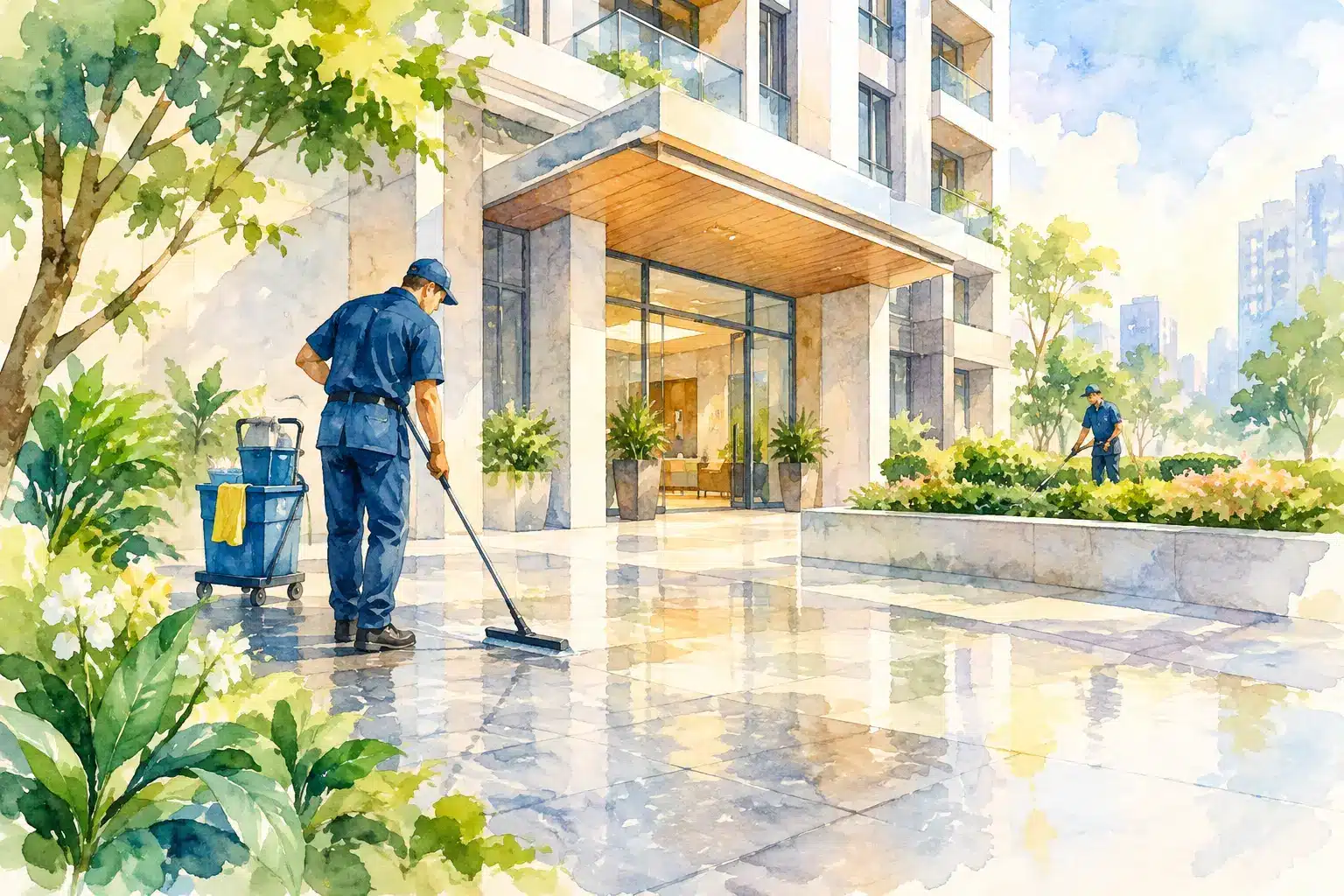
A scuffed lift mirror, overflowing bin room or grubby entry can shape how residents and visitors feel about an entire building within seconds. Effective strata cleaning keeps shared spaces presentable, safer and easier to enjoy, while helping body corporates and property managers avoid the scramble of fixing visible problems after a complaint.
For apartment blocks, townhouses and mixed-use buildings across Auckland, the right cleaning plan is not simply a cleaner arriving once a week with a mop. It is a reliable routine built around the people using the property, the surfaces that wear fastest and the practical needs of the site.
What strata cleaning should cover
Shared areas work harder than most people realise. Residents track in wet shoes, delivery drivers use entrances all day, rubbish builds up quickly and high-touch points are handled by dozens or hundreds of people. A quality schedule focuses on the spaces people see first, as well as the less visible areas that affect hygiene, odours and building upkeep.
Typical strata cleaning services include foyers, corridors, stairwells, lifts, shared bathrooms, mail areas, bin rooms, car parks and common-room facilities. Floors may need vacuuming, mopping or machine scrubbing depending on their finish and traffic levels. Glass doors, mirrors, handrails, intercoms, lift buttons and door handles also need regular attention to keep the property looking cared for.
External presentation matters too. Cobwebs around entrances, leaves on paths and marked windows can quickly make a well-managed property appear neglected. Depending on the site, a plan may include window cleaning, pressure washing, gutter care, garden tidy-ups, lawn mowing and green-waste removal. Bringing these jobs together can save a committee or manager from coordinating several different contractors.
The frequency depends on the building
There is no one-size-fits-all schedule for strata properties. A quiet six-unit block may only require a thorough weekly clean and occasional exterior work. A busy central Auckland apartment building with lifts, a shared gym and an active rubbish room may need service several times a week, plus more frequent spot checks in high-traffic areas.
The best starting point is to look at how the building is actually used. Consider the number of residents, visitor volume, whether short-stay guests come and go, the number of entry points, weather exposure and the condition of existing surfaces. A shaded walkway, for example, can develop slippery algae faster than an open concrete path. A bin room used by many households may need a much more regular wash-down than its size suggests.
Seasonal changes also matter. Autumn leaf fall can block drains and make paths messy. Winter rain brings mud, water marks and increased slip risks. During pollen season, exterior ledges and windows can lose their clean finish quickly. A flexible maintenance plan allows the service level to change when the property needs it rather than leaving managers tied to an unsuitable routine.
Why cleaning common areas protects more than appearance
A clean building is easier to manage. When common spaces are maintained consistently, small problems are more likely to be noticed early, from a leaking bin-room tap to damage in a stairwell or a blocked drain near the entrance. Cleaners are not a replacement for trades, but a regular presence can give property managers useful visibility across the site.
Hygiene is another practical reason to keep standards high. Shared touchpoints and bathrooms need a considered approach, particularly in buildings with older residents, young families, healthcare tenants or high visitor turnover. Regular cleaning reduces the build-up of grime and helps keep common facilities more pleasant for everyone.
It can also support resident satisfaction. Owners and tenants may have different expectations about building management, but almost everyone notices dirty floors, stale odours and untidy entrances. Reliable cleaning shows that the body corporate is taking care of the shared asset, which helps protect the property’s day-to-day appeal and can support a better first impression for prospective buyers or tenants.
A practical strata cleaning checklist
Before requesting a quote, it helps to identify the recurring tasks your building needs. This makes it easier to compare service proposals fairly and prevents important areas being missed.
- Entryways, foyers, hallways, stairs and lifts, including glass, mirrors and touchpoints.
- Shared bathrooms, kitchens, laundry rooms, gyms, lounges and other resident facilities.
- Bin rooms, rubbish collection points, odour control and spill clean-up requirements.
- Car parks, walkways, exterior doors, cobweb removal and seasonal pressure washing.
- Window cleaning, garden maintenance, gutter clearing and other exterior property care.
Also consider access. Are there keys, swipe cards, lockboxes, concierge arrangements or restricted parking? Does work need to happen before residents leave for work, after business hours or around a commercial tenant’s trading times? A provider should be able to organise the schedule around the building rather than creating disruption for the people who live and work there.
Choosing a strata cleaning provider
Price matters, but the cheapest quote can become expensive if cleaning is inconsistent, communication is slow or tasks are repeatedly missed. Look for a provider that is insured, clear about what is included and willing to tailor the scope to your property. Starting with a site visit or detailed discussion is often worthwhile, especially for larger or mixed-use buildings.
Reliability should be a major part of the decision. Body corporate representatives and property managers need to know who is attending, when they will arrive and who to contact if priorities change. A dependable team keeps records, flags concerns promptly and makes it straightforward to add an occasional deep clean, post-construction tidy, mould treatment or emergency clean-up when required.
It is also useful to ask whether the provider can support the wider property. Coordinating cleaning, garden work, exterior washing, rubbish removal and minor handyman tasks through one accountable team can reduce administration. That does not mean every building needs every service. It means there is a clear option when an entry needs pressure washing or a common garden needs attention, rather than another contractor search.
Sparkle Property Services can tailor recurring strata work around Auckland properties, with practical cleaning and maintenance support designed to keep shared spaces looking their best.
Set clear standards from day one
The strongest cleaning arrangements are specific. Agree on the areas to be serviced, the expected frequency, any products or processes required, access instructions and how issues will be reported. Photos can be useful for setting a standard in areas such as lift floors, bin rooms, glass entrances and car parks, where “clean” can otherwise mean different things to different people.
Review the plan after the first few visits. If the building looks good on cleaning day but slips before the next service, the frequency or scope may need adjusting. If a task is no longer necessary every visit, resources may be better directed to a problem area. This is where a tailored plan pays off: it can respond to the property rather than staying fixed on a generic checklist.
A well-kept common area gives residents a better place to come home to and gives managers one less issue to chase. Start with the areas that create the biggest daily impact, set a clear standard, and let a dependable routine keep the whole property on track.