

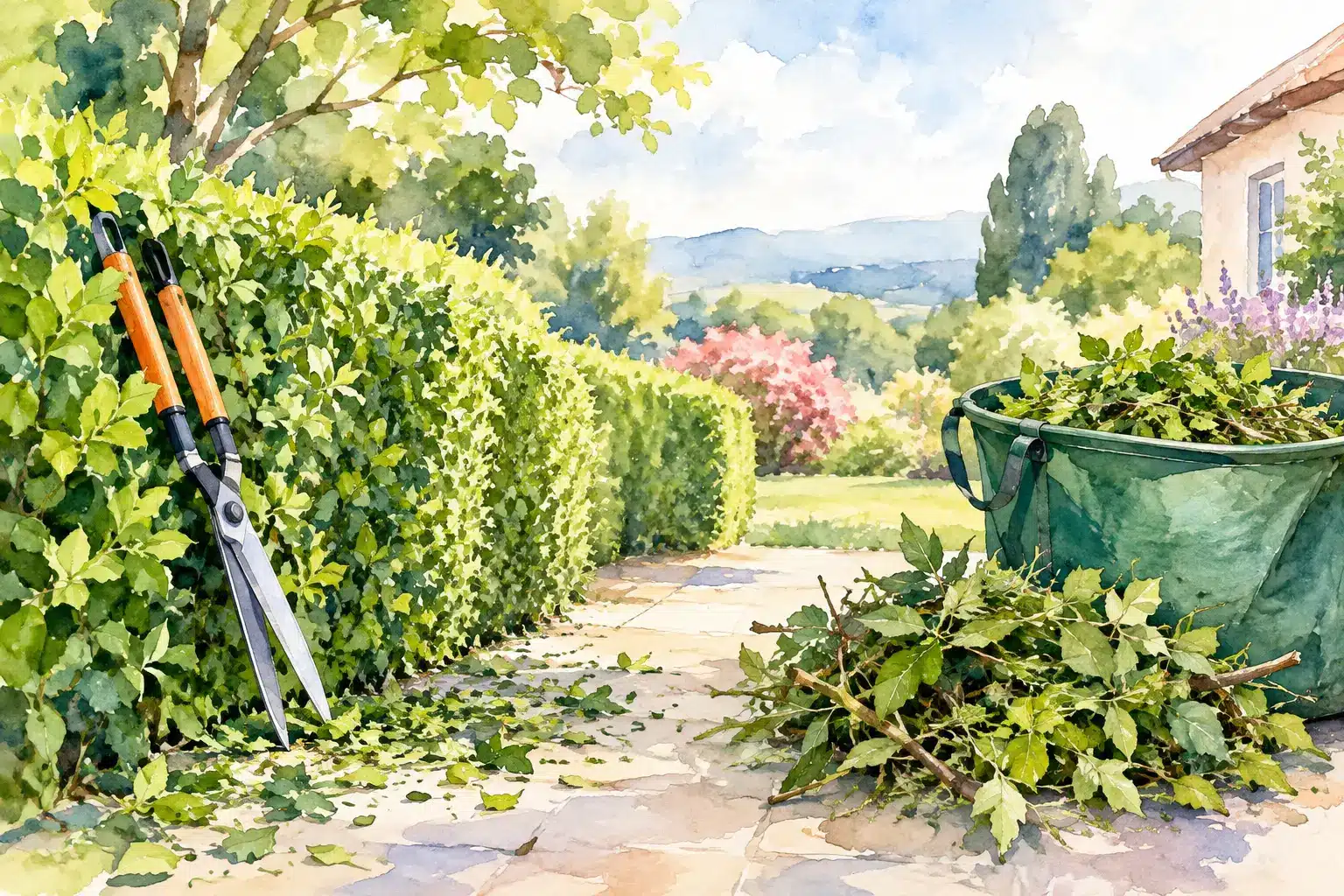
A hedge can go from a smart boundary to an overgrown job in one season. The trimming itself is only half the work: branches pile up fast, clippings spread through garden beds, and a single trailer load can turn into several. Professional hedge trimming and green waste removal keeps the whole job moving, leaving your property tidy rather than surrounded by bags and loose cuttings.
For Auckland homeowners, landlords and busy property managers, a maintained hedge does more than improve kerb appeal. It protects accessways, helps light reach the home and garden, and makes the property feel cared for before visitors, tenants or customers walk through the gate.
Why hedge care needs more than a quick cut
Hedges are practical. They create privacy, soften fences, screen bins and give a section structure without taking up much space. But when they are left too long, they can block paths, lean into driveways, rub against buildings and hide areas that need attention.
A regular trim keeps the outside growth compact and encourages a denser finish. It also makes every future visit easier. Cutting a hedge lightly and consistently is usually less stressful for the plant than removing a large amount of growth all at once.
The right approach depends on the hedge species, its age and its purpose. A formal boundary hedge may need crisp, even lines, while a flowering screen may need gentler shaping to protect the next season’s blooms. Fast-growing hedges often need several trims during the warmer months. Slower hedges may only need seasonal maintenance.
There is also a clear difference between tidying new growth and cutting back an overgrown hedge. Heavy reduction can be necessary where access or safety is affected, but it must be planned carefully. Some hedges do not respond well to being cut back into old, bare wood. A tailored plan produces a better-looking result and helps avoid a thin, patchy boundary.
What professional hedge trimming and green waste removal includes
A complete service is about getting a hedge back under control, then leaving the grounds clean. Before work starts, the hedge should be assessed for height, thickness, access, nearby windows, power lines, garden beds and the amount of material likely to come down.
Trimming can include reducing height, straightening the sides, shaping the face of a hedge and clearing growth that has pushed over a footpath, fence or driveway. The goal is not always a perfectly square hedge. Natural-looking hedges can be shaped neatly while still matching the character of the garden.
Once the cutting is finished, the clean-up matters just as much. Loose leaves and branches can smother lawns, clog drains and make paved areas slippery when wet. A proper tidy-up includes collecting clippings from lawns, garden beds and hard surfaces, then removing them from the property as green waste.
That final step is where many DIY jobs slow down. Garden waste can look manageable until it is compacted into bags, loaded into a boot or trailer, and taken to a disposal site. Thick branches are awkward, damp clippings are heavy, and repeated tip runs can take up most of a weekend. Having the waste removed with the service keeps the result genuinely finished.
Green waste should be kept separate from general rubbish wherever possible. Branches, leaves, weeds and grass clippings can often be processed differently from household waste, while treated timber, plastic pots, wire, soil and other contaminants may need separate handling. Sorting at the point of collection helps avoid unnecessary mess and disposal issues.
When is the best time to trim a hedge?
For most Auckland gardens, regular maintenance through spring and summer keeps vigorous growth from getting away on you. Autumn can also be a useful time to shape hedges before wetter weather arrives, particularly when fallen leaves and overgrowth are already collecting around the garden.
Timing is not only about the calendar. Avoid major pruning during very hot, dry spells when plants are under stress, and take care after prolonged rain when the ground is soft and garden access is difficult. If a hedge flowers, trimming immediately before it is due to bloom may mean losing the display. If privacy is the priority, smaller and more frequent trims usually prevent the hedge from becoming sparse.
Before cutting, check for active bird nests. Hedges provide valuable shelter, especially in spring, and any nesting activity should be left undisturbed. This is one reason a careful inspection should come before tools are switched on.
For rental properties and commercial sites, hedge work is often best scheduled around inspections, tenant changeovers, open homes or quieter operating hours. A clean boundary and clear entrance make a noticeable difference to how a property is perceived, whether it is a family home, office, café or body corporate complex.
The safety and access issues worth planning for
Small hedges can be handled with basic equipment and a steady hand. Taller, wider or long-established hedges are another matter. Working from a ladder while operating powered equipment carries real risk, particularly on uneven ground or close to driveways and buildings.
Access should be considered before the job is booked. Let your service provider know if the hedge sits behind a locked gate, alongside a narrow side passage, above a retaining wall or near parked vehicles. Mention any irrigation lines, delicate plants, outdoor furniture or garden ornaments nearby so they can be protected or moved.
Power lines need particular care. Never attempt to trim close to overhead electrical lines with extended tools or ladders. In these situations, the work may need a specialist assessment and a different approach. Safety comes before a perfectly even top edge.
It is also worth being realistic about hedge height. Cutting a very tall hedge lower can make ongoing maintenance easier, but a dramatic reduction may change privacy levels and expose previously shaded areas. Talk through the preferred height, how much screening you want to keep, and whether the hedge needs a staged reduction over more than one visit.
How regular maintenance saves time and money
Garden maintenance is often treated as a one-off task, usually when the property is being prepared for sale, an inspection or a family event. However, planned upkeep is generally more efficient than waiting for overgrowth.
A hedge that is maintained at a workable height takes less time to trim, creates less waste and is easier to shape evenly. Regular work can also identify problems early, such as dying sections, pest damage, branches pressing on a fence or growth interfering with gutters.
For landlords and property managers, scheduled exterior care reduces the rush before a routine inspection. For homeowners, it gives back time that would otherwise be spent sourcing equipment, cleaning it afterwards and loading green waste into the ute. Commercial properties benefit from consistent presentation too. Clear, well-kept entryways help customers and staff feel confident that the site is looked after.
Combining outdoor jobs can make practical sense. Hedge trimming may be booked alongside lawn mowing, garden tidy-ups, gutter cleaning, exterior house washing or rubbish removal, depending on what the property needs. One accountable provider means fewer appointments to coordinate and less chance of one unfinished task affecting the next.
A cleaner finish for Auckland properties
The best hedge work is measured by what is left behind: clean lines, clear paths, healthy-looking growth and no mountain of cuttings waiting at the gate. Whether your hedge needs a seasonal shape, an overdue reduction or ongoing care, the removal of green waste should be part of the plan, not an afterthought.
Sparkle Property Services can tailor hedge care and garden clean-up around your property, schedule and access requirements across Auckland. A neat boundary makes the whole property feel more welcoming, and it is one less weekend job competing for your time.