

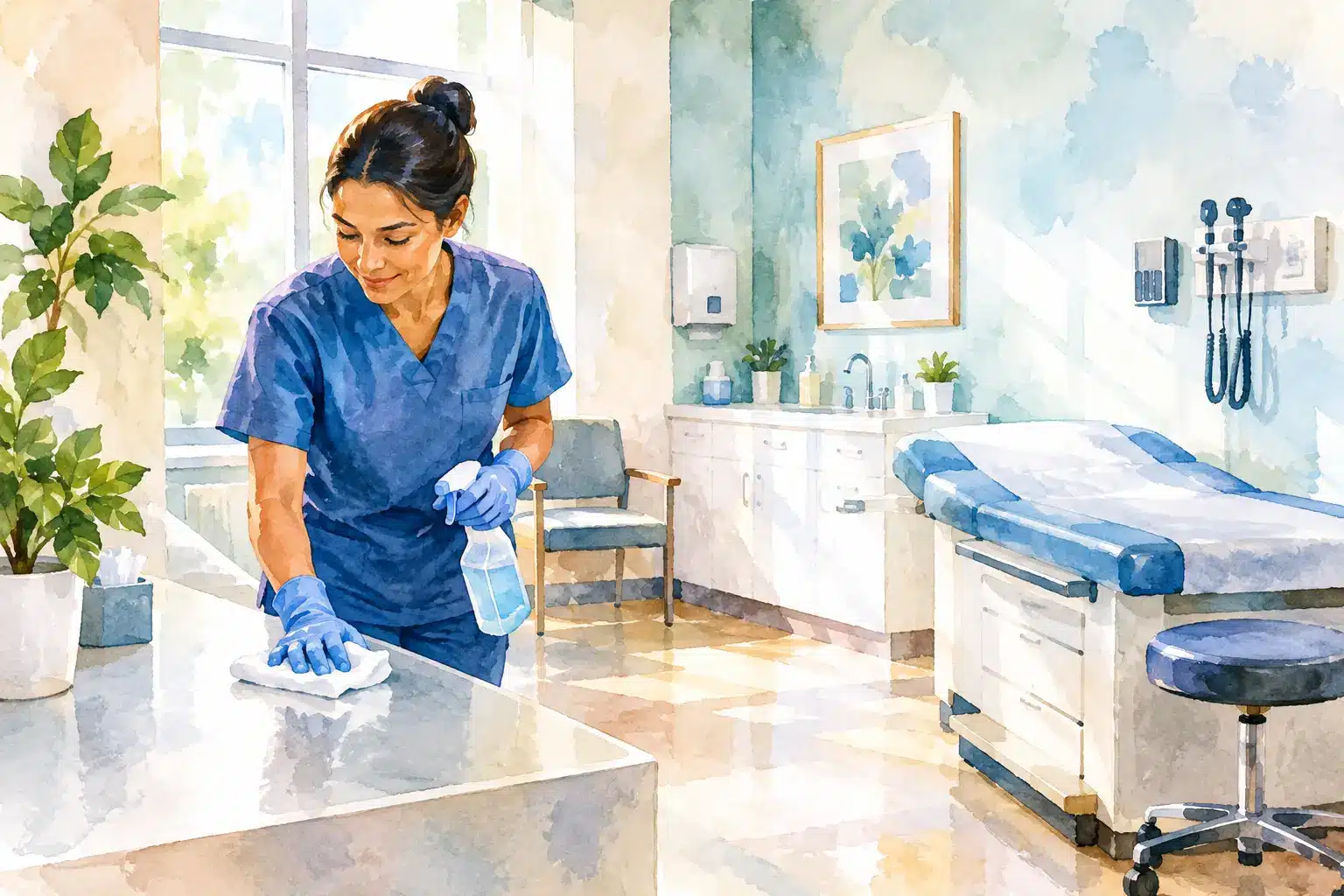
A smudged reception counter, a full washroom bin or fingerprints on a consult-room door can change a patient’s confidence before they have even seen their clinician. Commercial cleaning for medical clinics is not just about making a space look tidy. It supports a calm, hygienic environment where patients, staff and visitors can feel cared for from the moment they walk in.
For clinic managers, the challenge is keeping that standard consistent while appointments run late, foot traffic varies and the team is focused on patient care. A practical cleaning plan should fit the way your clinic actually operates, rather than forcing your team to work around a generic after-hours service.
Commercial cleaning for medical clinics needs a different plan
A medical clinic has more touchpoints, more vulnerable visitors and less room for error than a typical office. The waiting area may be busy first thing in the morning, consultation rooms need to be reset between sessions, and washrooms need close attention throughout the day. At the same time, cleaning must be completed discreetly so it does not disrupt appointments or create unnecessary noise around patients.
That does not mean every clinic needs the same intensive schedule. A small allied-health practice with one or two rooms will have different needs from a multi-practitioner clinic, dental practice or busy medical centre. The best approach is based on your opening hours, patient volume, room use, flooring, washroom facilities and the tasks your staff already manage.
Cleaning and disinfecting also serve different purposes. Cleaning removes visible dust, dirt and residues. Disinfecting is used on suitable high-touch surfaces as part of a clinic’s hygiene procedures. A professional team should use products correctly, follow label directions and allow appropriate contact time, rather than simply wiping every surface as quickly as possible.
Start with the patient journey
The easiest way to build a reliable cleaning routine is to follow the path a patient takes through your clinic. It begins outside. Clear entry glass, tidy paths, clean mats and rubbish-free outdoor areas set the tone before anyone reaches reception. In Auckland’s wetter months, entryways can quickly collect moisture and dirt, so floor care may need more attention than it does in summer.
At reception, counters, EFTPOS terminals, pens, door handles, chairs and display surfaces need regular care. These are highly visible areas, but they are also the surfaces most frequently touched by different people throughout the day. A clean, uncluttered reception zone makes it easier for staff to welcome patients and keeps the clinic looking organised even during peak periods.
Waiting rooms need a balance of presentation and practicality. Chairs, tables, ledges, windows, skirting boards and floors should be kept clean without leaving strong smells behind. Bins should be emptied before they overflow, and spills should be addressed promptly. If your clinic provides children’s play items, staff should have a clear process for how these are managed, cleaned and stored.
Consultation and treatment rooms require a scope built around the work carried out there. Your clinical team will usually retain responsibility for patient-care equipment and any procedures that sit within clinical protocols. A commercial cleaner can support the space by cleaning agreed surfaces, floors, doors, light switches and furniture, then leaving each room presentable for the next day or next session.
Set a schedule around real clinic activity
After-hours cleaning is often the best fit for medical clinics because it gives cleaners access to empty rooms and prevents disruption to patients. It also allows time for detailed work, including vacuuming upholstery where suitable, mopping hard floors, cleaning washrooms and attending to marks on glass and walls.
However, after-hours work alone is not always enough. A high-traffic clinic may benefit from a daytime touch-up visit for washrooms, reception surfaces, bins and entry areas. This can be especially useful during winter, when wet shoes and increased respiratory illness can put extra pressure on shared spaces.
A dependable programme usually separates routine tasks from periodic detail cleaning. Daily or frequent tasks cover touchpoints, washrooms, floors, bins and visible presentation. Weekly or fortnightly work may include more detailed dusting, glass cleaning, spot cleaning walls and treating floor edges. Periodic deep cleaning can cover carpets, upholstery, high dusting, internal windows and areas that are hard to reach during a regular visit.
This layered approach helps prevent the slow build-up that makes a clinic feel tired. It also lets managers plan expenditure sensibly. A lower-cost basic clean can work for a quiet practice, but it may become false economy if staff are repeatedly stepping in to clean washrooms, remove stains or deal with overflowing rubbish.
Pay close attention to washrooms and floors
Washrooms are one of the clearest signals of how a property is managed. Patients notice empty soap dispensers, streaked mirrors, unpleasant odours and neglected floors immediately. A thorough service includes cleaning toilets, basins, taps, mirrors, partitions, dispensers, bins and flooring, while restocking can be included where agreed.
Flooring deserves the same planning. Carpeted waiting rooms can hold dust, grit and marks from damp footwear. Hard floors in corridors and clinical areas need regular mopping with suitable products, as well as attention to corners and edges where soil gathers. The right frequency depends on traffic, the surface type and how quickly patients move through the space.
For deeper refreshes, carpet cleaning can lift built-up soil and help maintain a cleaner appearance. It is best scheduled around clinic hours so floors have sufficient drying time before patients return. The same applies to upholstery cleaning in waiting rooms, which can be valuable but needs careful timing and suitable methods for the fabric.
Keep responsibilities clear around clinical waste
A cleaning provider should understand the difference between ordinary rubbish and waste that requires a separate clinical process. Sharps, pharmaceuticals, specimens and other regulated waste should only be managed under your clinic’s approved procedures and by appropriately authorised providers.
Before work begins, agree on exactly what cleaners will handle, where bins are located, how full bags are presented for collection and what must be left untouched. Clear boundaries protect your staff, patients and cleaners. They also avoid the common problem of assuming a task is included when it has never been formally agreed.
Access arrangements matter too. A trusted cleaning team should know which rooms are accessible, how keys or alarms are managed, where confidential materials may be present and who to contact if an issue is found. Privacy is part of professional clinic cleaning, not an optional extra.
Choose consistency over the cheapest quote
Price matters, but medical cleaning should not be selected on price alone. A quote only means something when you know what it includes: the rooms covered, visit frequency, cleaning tasks, consumables, equipment and any periodic work. Transparent scopes make it easier to compare providers and avoid surprises later.
Look for a provider that can tailor visits around your clinic’s hours, respond when an unexpected issue arises and provide insured cleaners. It also helps when one team can look after more than the interior. Window cleaning, carpet care, rubbish removal, exterior washing, grounds maintenance and small property jobs can all affect how patients experience your site.
Sparkle Property Services can tailor commercial cleaning for Auckland medical clinics alongside wider property maintenance, helping managers spend less time coordinating separate contractors. Whether you need a regular evening clean, a detailed refresh before an inspection or support across the full property, the service should feel straightforward, dependable and suited to your clinic.
A clean clinic does more than meet expectations. It gives your team a space they can be proud to work in and gives every patient one less thing to worry about. Build the schedule around your real day-to-day needs, keep responsibilities clear, and let reliable cleaning quietly support the care you provide.