
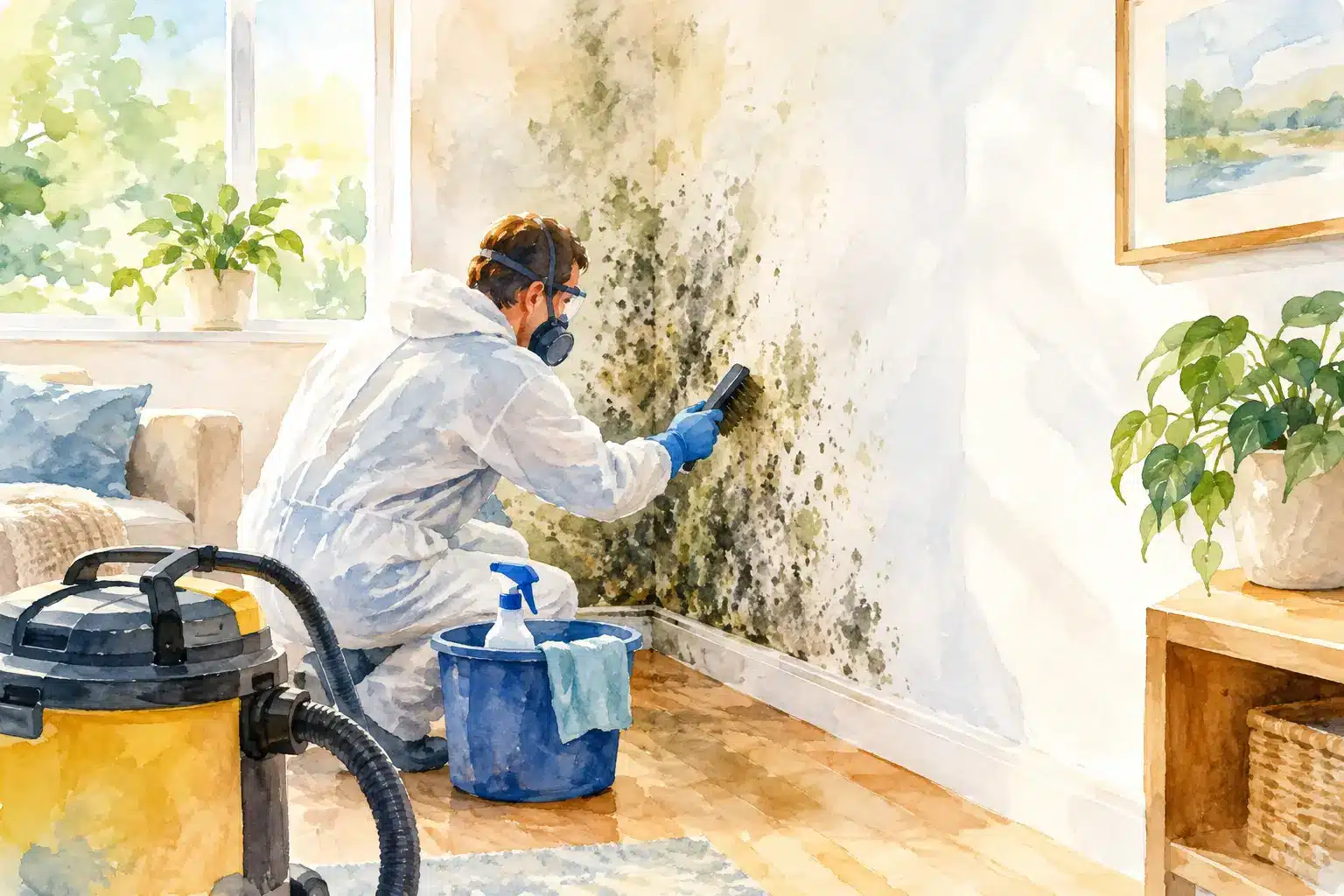
A dark patch around a bedroom window, a musty smell in the wardrobe, or small spots spreading across a bathroom ceiling can quickly make a home feel less healthy and less comfortable. A professional mould removal service for homes does more than improve appearances. It removes visible growth carefully, helps identify the moisture feeding it, and gives you a practical path to keeping it away.
For Auckland homes, mould is rarely just a cleaning issue. Our damp winters, rainy spells, coastal air and tightly closed homes can create the conditions mould needs to grow. The right response depends on where it is, how widespread it has become, what surface it is on, and whether an ongoing leak, condensation or ventilation problem is involved.
Why mould keeps returning in homes
Mould spores are naturally present in the air. They become a problem when they find moisture, limited airflow and a surface to settle on. Bathrooms, laundries, kitchens, wardrobes, window frames, ceilings and uninsulated corners are common trouble spots because they are often exposed to steam, condensation or trapped humidity.
Condensation is a frequent cause. When warm indoor air meets cold glass, walls or ceilings, water droplets form. If those surfaces stay damp for long periods, mould can take hold. Drying clothes indoors without enough ventilation, using extractor fans inconsistently, and pushing furniture tightly against cold exterior walls can all contribute.
Sometimes the source is more direct. A leaking roof, cracked pipe, overflowing gutter, damaged seal around a shower, or water entering through cladding can leave hidden moisture behind walls, under flooring or in ceiling spaces. In these cases, cleaning the visible patch alone may provide a short-lived result. The water issue needs attention first, or at the same time.
When household cleaning is not enough
A small, isolated mark on a non-porous surface may be manageable with suitable cleaning products, protective gloves and good ventilation. But mould removal becomes more complex when growth covers a larger area, has returned after repeated cleaning, is affecting soft furnishings, or appears alongside a persistent damp smell.
Professional support is especially worthwhile if mould is on painted plasterboard, carpet, curtains, upholstery, mattresses, insulation or timber. Porous materials can absorb moisture and spores below the surface, making a quick wipe ineffective. Depending on the level of damage, some materials may require detailed treatment while others may need replacement after the underlying moisture source is fixed.
It is also sensible to act quickly where anyone in the home is particularly sensitive to poor indoor air quality. Young children, older people and those with allergies or respiratory concerns may find a damp, mouldy environment more uncomfortable. A clean, dry home supports better day-to-day living, even when the visible mould seems minor.
What a mould removal service for homes should include
A dependable service starts with looking beyond the stain. The affected areas should be assessed for the type of surface, visible spread, likely moisture source and signs that the problem extends further than first expected. This allows the cleaning approach to suit the home rather than relying on one product for every situation.
The mould should then be treated with appropriate products and methods for the surface. Care is needed to avoid spreading spores through the room or damaging paint, fabrics, sealants and finishes. Bathrooms may need attention to ceilings, grout, silicone and exhaust areas, while bedrooms may require a closer look at window sills, wardrobe interiors, curtains and exterior-wall corners.
A thorough job also addresses the residue left behind. Marks can remain after mould has been treated, particularly on painted ceilings or older window frames. Whether these can be cleaned away depends on the surface and how long the growth has been present. Honest advice matters here: cleaning can restore many areas, but staining, damaged paint or deteriorated sealant may require a maintenance repair for the best result.
Finally, you should receive straightforward prevention guidance based on what was found. That may include improving airflow, using a dehumidifier during wet periods, repairing leaks, cleaning extractor fan covers, opening windows at the right time, or arranging exterior maintenance where blocked gutters or water ingress are contributing.
The cause determines the lasting fix
It is tempting to treat mould as a bathroom-only problem, but the room tells only part of the story. For example, mould around aluminium window frames may point to condensation rather than a cleaning failure. Mould on a ceiling below a roofline may need gutter, roof or flashing checks. A mouldy wardrobe on an outside wall could be affected by limited airflow, cold surfaces or moisture entering from outdoors.
This is where a broader property-care provider can save time. Instead of arranging one contractor for cleaning and then searching for separate help with gutters, exterior washing, minor repairs or rubbish removal, homeowners can organise connected work with one accountable team. Sparkle Property Services can tailor support around the condition of the property, from indoor mould cleaning through to complementary maintenance that helps protect the home from recurring dampness.
Not every case needs extensive work. If the issue is seasonal condensation and the surfaces are otherwise sound, consistent ventilation and moisture control may be enough. If there is water damage or an active leak, cleaning should be only one part of the solution. A good provider will explain that difference clearly rather than promising a permanent result before the cause has been addressed.
Practical ways to reduce mould between services
Keeping moisture under control is the most effective everyday defence. Run bathroom and kitchen extraction during use and for a while afterwards, particularly after long showers or heavy cooking. If you do not have an effective extractor fan, open windows where safe and practical to let humid air escape.
Try to dry wet surfaces rather than leaving them to air-dry in a closed room. Wipe condensation from windows and sills in the morning, hang towels so they can dry fully, and avoid placing damp washing in bedrooms or wardrobes. If clothes must dry indoors, use a well-ventilated area or a dehumidifier rather than shutting the moisture into the house.
Give air space to furniture positioned against exterior walls. Even a small gap allows air to circulate and makes it easier to spot early signs of dampness. Check behind beds, sofas, drawers and storage units from time to time, especially in rooms that feel cold or receive little sun.
Outdoor maintenance also plays a role. Clear gutters, sound roofing, working downpipes and well-maintained exterior seals all help move water away from the home. If water pools near walls or overflows from gutters during rain, it is worth dealing with it before moisture finds its way indoors.
Advice for tenants, landlords and property managers
Mould in a rental home can be sensitive because the cause is not always obvious. Tenants should report new mould, leaks, ceiling stains, damaged extraction fans and moisture concerns early, ideally with clear photos and dates. Waiting until an inspection can make the issue harder to trace and more expensive to resolve.
Landlords and property managers benefit from addressing reports promptly. A professional clean may improve presentation for a tenancy changeover or inspection, but it should not replace investigation when there are signs of water ingress, failed ventilation or building damage. The best outcome protects the property and gives occupants a cleaner, more comfortable place to live.
For end-of-tenancy work, a detailed assessment is useful before booking. Surface mould from everyday condensation may need targeted cleaning, while widespread growth or damage may call for additional maintenance. Clear communication avoids assumptions and helps organise the right work from the start.
Book early, before small patches spread
Mould is easier to manage when it is caught early. If a patch has appeared once, has a musty smell around it, or returns after cleaning, it is worth arranging an assessment rather than repeatedly covering it up. Fast action can protect painted surfaces, fabrics and furnishings, while helping your home feel cleaner and fresher again.
A healthy home is not about chasing perfection every day. It is about dealing with moisture early, keeping air moving, and getting reliable help when a problem needs more than a spray bottle and a spare hour.